


Biblical ways to self-sufficiency.
- Mr Helmes
- Nov 29, 2025
- 4 min read

Updated: Dec 5, 2025
In a world often marked by uncertainty and instability, many people are seeking ways to improve their lives and become self-sufficient. For Christians, the Bible can be a valuable source of wisdom and guidance. In this blog post, we will explore various biblical principles and practices that can lead to self-sufficiency. We will examine the teachings of Scripture and offer practical tips on how to integrate them into daily life.
The biblical basis for self-sufficiency
The Bible offers numerous references to the importance of providing for oneself and one's family. 1 Timothy 5:8 states: “Anyone who does not provide for their relatives, especially for those in their household, has denied the faith and is worse than an unbeliever.” This passage emphasizes the responsibility each individual has to provide for their family.
The meaning of work
Work is viewed in the Bible as a divine calling. In Genesis 2:15, we read that God placed humankind in the Garden of Eden to cultivate and care for it. This understanding of work as part of the divine plan demonstrates that self-sufficiency is not only a practical necessity but also a spiritual responsibility.
The principles of harvesting
Another important biblical principle is that of the harvest. Galatians 6:7 states, "Whatever a man sows, that will he also reap." This principle applies not only to the spiritual life but also to physical self-sufficiency. When we invest in our gardens, our abilities, and our community, we will reap the fruits of that labor.
Practical ways to achieve self-sufficiency
Now that we understand the biblical basis for self-sufficiency, let us look at some practical ways Christians can put this into practice in their daily lives.
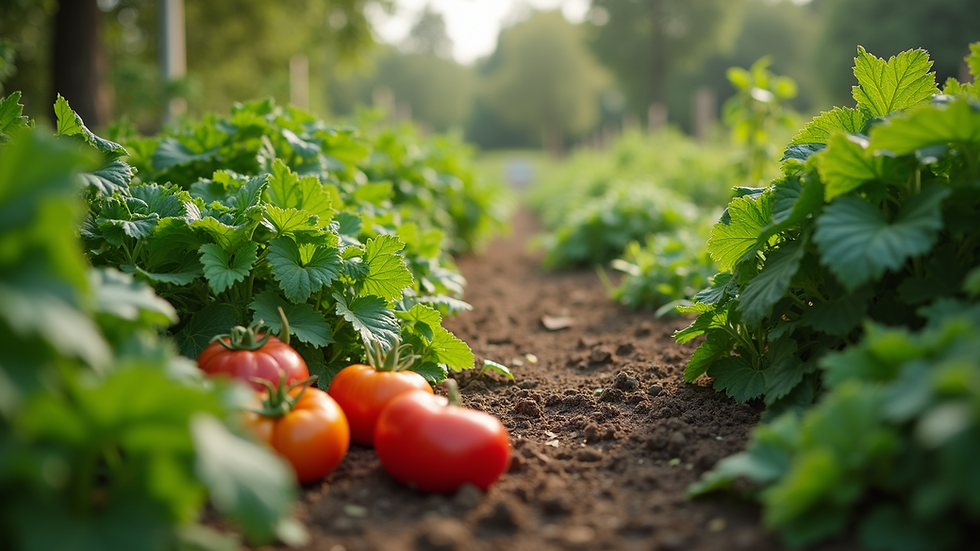
One of the most direct methods of self-sufficiency is growing your own food. This can be done in a small garden, on a balcony, or even in pots on a windowsill. Here are some tips to get started with gardening:
Choose the right plants: Start with plants that thrive in your region. Herbs like basil, parsley, and mint are easy to grow and require little space..
Use compost: Compost kitchen scraps to create nutrient-rich soil for your plants. This reduces waste and improves soil quality.
Save water: Implement rainwater harvesting systems to use water for your plants. This is not only environmentally friendly but also saves money.
Develop craft skills
Another path to self-sufficiency is developing craft skills. This can range from making your own clothes to repairing household items. Here are some ideas:
Learning to sew: Learning sewing skills can help you repair clothes or even create new pieces.
Building your own furniture: With a little woodworking, you can make your own furniture, which not only saves money but also adds a personal touch to your home.
Food preservation: Learn how to can or dry food to preserve the harvest and reduce food waste.
Community and collaboration
Self-sufficiency doesn't have to be an isolated activity. The Bible emphasizes the importance of community. Acts 2:44-45 states: "All the believers were together and had everything in common. They sold property and possessions and distributed the proceeds to anyone who had need." Here are some ways you can incorporate community into your self-sufficiency practices:
Bartering: Organize barter markets in your community to exchange surplus products or handcrafted goods.
Community gardens: Join forces with your neighbors to cultivate a community garden. This not only promotes self-sufficiency but also strengthens neighborly relations.
Sharing knowledge: Host workshops to teach and learn skills such as gardening, cooking, or crafts.
Spiritual aspects of self-sufficiency
Self-sufficiency is not just a physical practice, but also a spiritual journey. There are several biblical principles that can help us navigate this journey.
Gratitude and humility
Philippians 4:19 states: “And my God will supply all your needs according to his riches in glory in Christ Jesus.” This passage reminds us to be thankful for what we have and humble in our desires. Self-sufficiency can help us cultivate these values by learning to be content with less and to appreciate the abundance of creation.
Trust in God
Self-sufficiency also requires trust in God. In Matthew 6:26, Jesus says, “Look at the birds of the air; they do not sow or reap or store away in barns, and yet your heavenly Father feeds them. Are you not much more valuable than they?” This trust can help us remain calm in times of uncertainty and rely on God's provision.
Prayer and reflection
Take time for prayer and reflection on your self-care practices. Ask God for wisdom and guidance as you make decisions. This can help you take the right steps and align your efforts with your faith.
Challenges and solutions
Self-sufficiency can be challenging, especially in a fast-paced world. Here are some common challenges and possible solutions:
Time management
Challenge: Many people struggle to find time for self-care practices.
Solution: Schedule fixed times in your weekly calendar for gardening, DIY projects, or other activities. Even small tasks, such as watering plants or preparing meals, can be integrated into your daily routine.
Ressourcen
Challenge: Access to resources such as soil, seeds, or tools may be limited.
Solution: Utilize local community resources, such as libraries or neighborhood groups, to borrow tools or obtain information. Many communities also offer programs to support gardeners.
Motivation
Challenge: It can be difficult to stay motivated, especially when the results are not immediately visible.
Solution: Set realistic goals and celebrate small successes. Document your progress to track your development and motivate yourself..
Fazit
The biblical paths to self-sufficiency offer Christians valuable guidance for providing for themselves and their families in an uncertain world. Through gardening, crafting, and strengthening community, we can not only meet our physical needs but also deepen our spiritual values. Let us integrate the principles of Scripture into our daily lives and, in this way, lead a fulfilling and self-sufficient existence.
Remember that self-sufficiency is not just a practical skill, but also a way to honor God and enjoy the bounty of His creation. Begin today with small steps and discover the joy of self-sufficiency!


Comments